
Why Learning How to Find a Job Is More Important Than Ever
Finding a job has become more competitive than ever before. Thousands of candidates apply for the same position within hours, and recruiters now use Applicant Tracking Systems (ATS), Artificial Intelligence (AI), and online assessments to shortlist applicants. That’s why understanding how to find a job effectively is no longer optional—it’s essential.
Whether you’re a fresher searching for your first opportunity, a professional looking for career growth, or someone returning to work after a break, following the right job search strategy can significantly increase your chances of getting hired.
Many job seekers spend months applying to hundreds of positions without receiving interview calls because they apply randomly instead of using a structured approach. The good news is that by improving your resume, optimizing your LinkedIn profile, networking with professionals, and using AI tools wisely, you can find a job much faster.
In this complete guide, you’ll learn practical job search strategies, common mistakes to avoid, and expert tips that will help you stand out from the competition in 2026.
Today’s employers are looking for more than just qualifications—they value candidates who can use modern technology effectively. If you want to stand out in a competitive job market, read our guide on AI Skills That Employers Want in 2026 to discover the most in-demand AI skills and how they can improve your chances of getting hired.
Why Finding a Job Is More Challenging Today
Today’s hiring process is different from a few years ago.
Recruiters now look beyond qualifications.
They evaluate:
- Skills
- Experience
- Communication
- Problem-solving ability
- Online presence
- LinkedIn profile
- Resume quality
- Cultural fit
Understanding these expectations helps you prepare more effectively.
1. Set Clear Career Goals
Define Your Direction Before You Find a Job
One of the biggest mistakes job seekers make is applying for every available position.
Instead, ask yourself:
- Which industry interests me?
- What role matches my skills?
- What salary do I expect?
- Which locations am I willing to work in?
- Do I want remote, hybrid, or office work?
Clear goals help you focus your efforts and apply for the right opportunities.
2. Create an ATS-Friendly Resume
Your resume is often the first impression you make.
Recruiters may spend only a few seconds reviewing it.
A strong resume should include:
- Professional summary
- Relevant skills
- Work experience
- Education
- Certifications
- Measurable achievements
Keep your resume:
- One or two pages long
- Error-free
- Well formatted
- Easy to read
- Customized for each job
An ATS-friendly resume improves your chances of getting shortlisted.
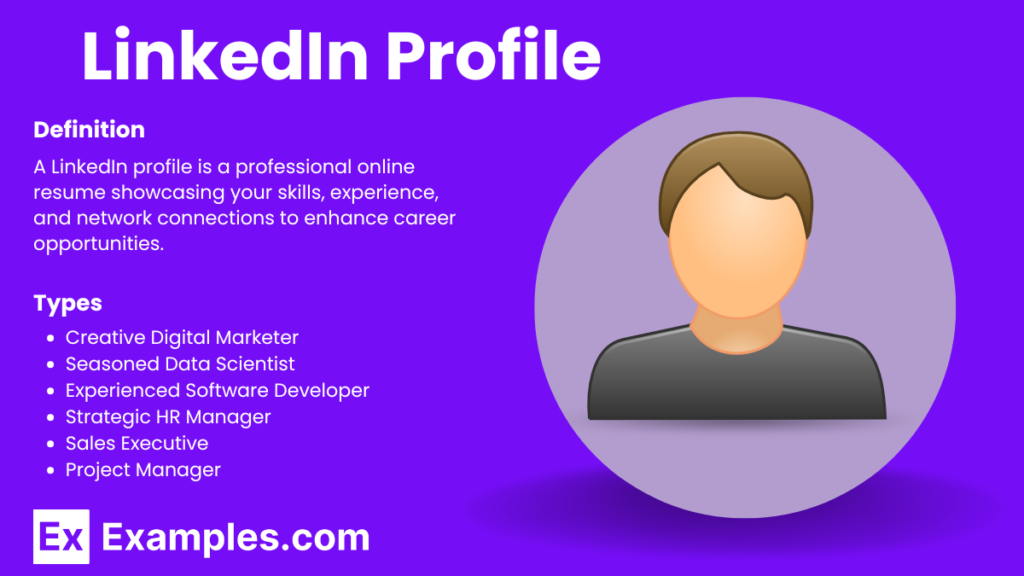
3. Optimize Your LinkedIn Profile
LinkedIn Helps You Find a Job Faster
Many recruiters search LinkedIn before contacting candidates.
Complete your profile by adding:
- Professional photo
- Strong headline
- About section
- Work experience
- Skills
- Certifications
- Projects
- Recommendations
Stay active by sharing industry-related content and engaging with professionals.
A complete LinkedIn profile increases your visibility to recruiters.
4. Apply Strategically Instead of Randomly
Sending hundreds of applications without customization rarely works.
Instead:
- Read the job description carefully.
- Customize your resume.
- Write a relevant cover letter if required.
- Apply only for suitable positions.
- Follow application instructions.
Quality applications often perform better than quantity.
5. Use Trusted Job Portals
The Right Platforms Help You Find a Job
Register on trusted job websites such as:
- LinkedIn Jobs
- Indeed
- Naukri.com
- Foundit (formerly Monster India)
- Glassdoor
- Wellfound (for startups)
- Company career pages
Enable job alerts so you’re notified when relevant opportunities are posted.
6. Build Your Professional Network
Many job openings are filled through referrals.
Expand your network by:
- Connecting with recruiters.
- Attending webinars.
- Participating in industry events.
- Joining LinkedIn groups.
- Connecting with alumni.
- Talking to former colleagues.
Networking can uncover opportunities that are never publicly advertised.
7. Learn In-Demand Skills
Employers Hire Candidates Who Continuously Learn
The job market changes quickly.
Learning new skills keeps you competitive.
Popular skills for 2026 include:
- Artificial Intelligence (AI)
- Data Analysis
- Cloud Computing
- Digital Marketing
- Cybersecurity
- Project Management
- Communication
- Leadership
Adding relevant certifications to your profile also strengthens your applications.
8. Use AI Tools to Improve Your Job Search
Artificial Intelligence can save time during your job search.
Useful AI tools include:
- ChatGPT for interview practice
- Grammarly for writing
- Canva for resumes and portfolios
- Microsoft Copilot for productivity
- LinkedIn AI features
Use AI to improve your applications, but always review and personalize the content before submitting it.
9. Prepare for Interviews Early
Don’t Wait for an Interview Call to Start Preparing
Many candidates begin interview preparation only after getting shortlisted.
Instead, prepare in advance by practicing:
- HR questions
- Technical concepts
- Behavioral questions
- Mock interviews
- Company research
Regular practice improves confidence and reduces nervousness.
10. Keep Track of Your Applications
Managing your job search helps you stay organized.
Create a simple spreadsheet with:
- Company name
- Job role
- Date applied
- Application status
- Interview date
- Recruiter contact
- Follow-up date
This prevents duplicate applications and ensures timely follow-ups.
11. Follow Up After Applying
Following Up Can Help You Find a Job Faster
Many candidates apply for a position and simply wait for a response. A professional follow-up can demonstrate your interest and keep your application on the recruiter’s radar.
Here are a few tips:
- Wait 5–7 business days before following up.
- Keep your message short and professional.
- Reaffirm your interest in the role.
- Thank the recruiter for their time.
A polite follow-up can sometimes make the difference between getting noticed and being forgotten.
12. Improve Your Online Presence
Recruiters often search for candidates online before scheduling interviews.
To build a professional online presence:
- Keep your LinkedIn profile updated.
- Remove unprofessional public social media posts.
- Create a portfolio website if your field requires one.
- Share career-related content and achievements.
- Highlight certifications and completed projects.
A strong digital presence increases your credibility and helps recruiters learn more about your skills.
13. Develop Strong Communication Skills
Communication Helps You Find a Job and Succeed in Interviews
Good communication is one of the most sought-after skills by employers.
Improve your communication by:
- Practicing common interview questions aloud.
- Speaking clearly and confidently.
- Listening carefully before answering.
- Improving your business email writing.
- Expanding your professional vocabulary.
Even highly skilled candidates can miss opportunities if they struggle to communicate effectively.
14. Stay Consistent with Your Job Search
Finding a job takes time, and consistency is key.
Set aside dedicated time every day to:
- Search for new job openings.
- Customize your resume.
- Apply for relevant roles.
- Network with professionals.
- Learn a new skill.
- Practice interview questions.
Treat your job search like a full-time project until you receive an offer.
15. Continue Learning While Searching
Learning New Skills Helps You Find a Job More Quickly
Don’t pause your learning while waiting for interview calls.
Instead, continue improving yourself by:
- Taking online courses.
- Earning certifications.
- Working on personal projects.
- Reading industry blogs.
- Practicing technical skills.
- Building your portfolio.
Recruiters appreciate candidates who show continuous growth.
Common Mistakes That Make It Hard to Find a Job
Many job seekers unknowingly reduce their chances of success.
Avoid these common mistakes:
- Applying without reading the job description.
- Using the same resume for every application.
- Ignoring LinkedIn.
- Not preparing for interviews.
- Applying only once a week.
- Sending resumes with spelling or grammar mistakes.
- Giving up after a few rejections.
- Not following up after interviews.
- Applying for roles that don’t match your skills.
- Ignoring networking opportunities.
Recognizing and correcting these mistakes can improve your results significantly.
Daily Routine to Find a Job Faster
A structured routine keeps your job search organized and productive.
Morning
- Check job portals for new openings.
- Apply for 3–5 relevant positions.
- Customize your resume for each role.
Afternoon
- Connect with recruiters on LinkedIn.
- Learn a new skill or complete an online course.
- Work on your portfolio or projects.
Evening
- Practice interview questions.
- Review your application tracker.
- Read industry news and company updates.
Following a daily routine increases your chances of securing interviews sooner.
What to Do After an Interview
The interview isn’t the final step in the hiring process.
After every interview:
- Send a thank-you email within 24 hours.
- Reflect on your performance.
- Note the questions you found challenging.
- Continue applying for other jobs until you receive an official offer.
- Stay positive, even if you don’t get selected.
Every interview is an opportunity to improve.
Frequently Asked Questions
How long does it usually take to find a job?
The timeline varies depending on your industry, experience, and job market conditions. A focused job search with consistent applications and networking can improve your chances of finding a job more quickly.
What is the best way to find a job in 2026?
The best approach combines an ATS-friendly resume, an optimized LinkedIn profile, networking, continuous skill development, and targeted applications.
Should I apply for every job I see?
No. Apply only for roles that match your skills, experience, and career goals. Targeted applications are generally more effective than applying indiscriminately.
Is LinkedIn important for finding a job?
Yes. Many recruiters use LinkedIn to search for candidates, verify experience, and contact potential hires.
Can AI tools help me find a job?
Yes. AI tools like ChatGPT can help you improve your resume, prepare for interviews, draft cover letters, and organize your job search. However, always personalize AI-generated content before using it.
Final Thoughts
Learning how to find a job efficiently is one of the most valuable career skills you can develop. In today’s competitive market, success comes from having a clear strategy, continuously improving your skills, and staying consistent in your efforts.
Instead of sending hundreds of generic applications, focus on creating a strong resume, optimizing your LinkedIn profile, networking with professionals, preparing thoroughly for interviews, and learning in-demand skills. Small improvements in your approach can lead to significantly better results.
Rejections are a normal part of the job search process. Treat each application and interview as a learning opportunity, refine your strategy, and keep moving forward. Persistence and preparation often make the biggest difference.
At Corporate Chugli, our goal is to help students, freshers, and professionals build successful careers through practical advice, interview preparation, resume guidance, AI-powered career tips, and workplace success strategies.
Remember: Every successful professional was once a job seeker. Stay consistent, keep learning, and your next opportunity could be just one application away.