
Why Resume Writing Is the First Step to Landing Your Dream Job
Learn resume writing tips to create an ATS-friendly resume that gets interviews, impresses recruiters, and helps you land your dream job faster.
Your resume is more than just a document—it’s your personal marketing tool. Before a recruiter speaks with you or schedules an interview, your resume creates the first impression. In today’s competitive job market, recruiters often spend only 6–10 seconds reviewing a resume before deciding whether to shortlist a candidate.
This means even highly skilled professionals can miss opportunities if their resume isn’t well organized or fails to highlight the right achievements. That’s why learning resume writing is one of the most valuable career skills for students, freshers, and experienced professionals.
A great resume doesn’t simply list your qualifications. It tells your professional story by showcasing your skills, experience, achievements, and the value you can bring to an organization. It should also be optimized for Applicant Tracking Systems (ATS), which many companies use to filter resumes before they reach recruiters.
In this guide, you’ll learn everything you need to know about resume writing, including how to structure your resume, what sections to include, common mistakes to avoid, and practical tips to increase your chances of getting interviews.
A well-written resume can help you get interviews, but long-term career success also depends on your mindset. Read our guide on How to Build a Growth Mindset for Career Success to learn how continuous learning and adaptability can help you grow professionally.
Why Good Resume Writing Matters
A professionally written resume can make the difference between getting an interview call and being overlooked.
Effective resume writing helps you:
- Create a strong first impression.
- Highlight your strengths.
- Demonstrate your achievements.
- Pass ATS screening.
- Show professionalism.
- Increase interview opportunities.
- Stand out from other candidates.
Remember, recruiters are not just looking for experience—they are looking for candidates who can clearly communicate their value.
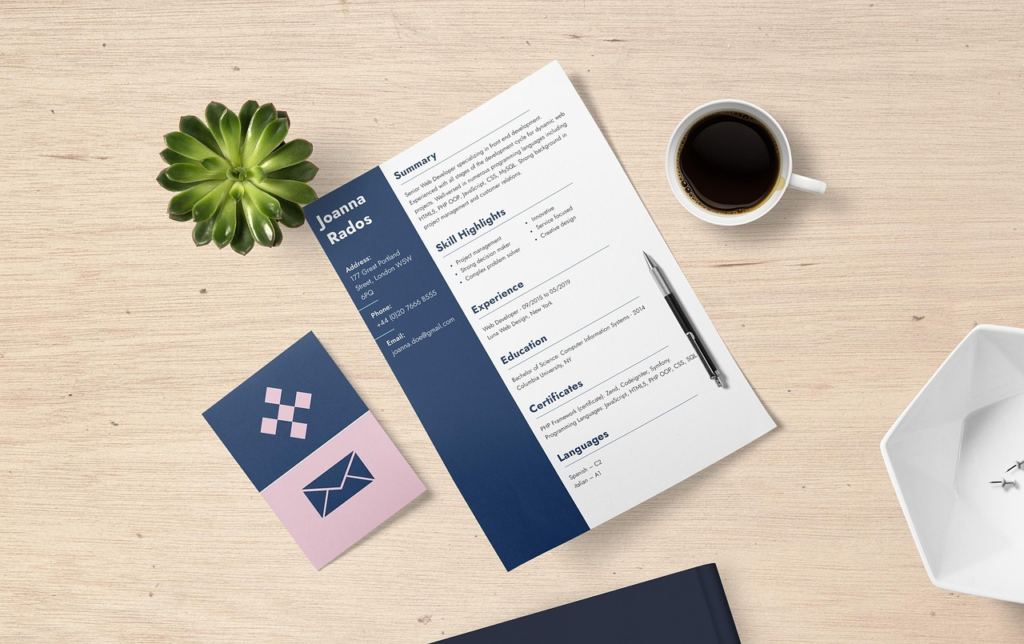
1. Choose the Right Resume Format
The Foundation of Good Resume Writing
Selecting the right resume format makes your information easier to read and helps recruiters quickly find what they’re looking for.
The three most common resume formats are:
Chronological Resume
Best for professionals with consistent work experience.
Functional Resume
Best for freshers or candidates changing careers because it focuses on skills rather than work history.
Combination Resume
Combines skills and work experience, making it suitable for most professionals.
For most job seekers, a reverse chronological format works best because recruiters are familiar with it.
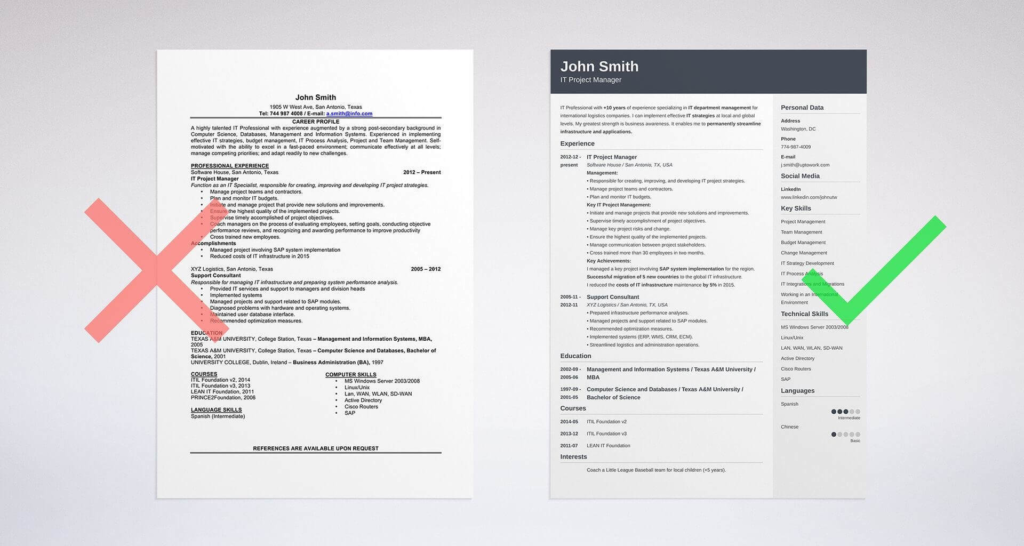
2. Write a Strong Professional Summary
Your Resume Summary Can Make Recruiters Keep Reading
The professional summary appears at the top of your resume and should immediately explain who you are and what you offer.
A good summary should include:
- Your experience
- Your key skills
- Your industry
- Your biggest strengths
- Your career objective
Example
“Results-driven Software Developer with three years of experience in React.js and ASP.NET, specializing in building scalable web applications. Passionate about solving complex problems and delivering high-quality software solutions.”
Keep your summary between 3–5 lines.
3. Highlight Your Skills Clearly
Recruiters often scan the skills section before reading your work experience.
Include a balanced mix of:
Technical Skills
Examples:
- React.js
- ASP.NET Core
- C#
- SQL Server
- Git
- REST APIs
Soft Skills
Examples:
- Communication
- Leadership
- Problem-solving
- Teamwork
- Time management
- Critical thinking
Tailor your skills to match the job description whenever possible.
4. Focus on Achievements, Not Responsibilities
Effective Resume Writing Highlights Results
One of the biggest mistakes professionals make is listing job responsibilities instead of achievements.
Instead of writing:
❌ Responsible for developing web applications.
Write:
✅ Developed and maintained React.js applications that improved page performance by 35%.
Use action verbs like:
- Developed
- Improved
- Led
- Designed
- Optimized
- Reduced
- Increased
- Implemented
- Automated
Whenever possible, include numbers to demonstrate impact.

5. Make Your Resume ATS-Friendly
Many companies use Applicant Tracking Systems (ATS) to filter resumes before a recruiter reviews them.
To improve ATS compatibility:
- Use simple headings.
- Include relevant keywords from the job description.
- Avoid tables and complex graphics.
- Use standard fonts.
- Save your resume as PDF unless instructed otherwise.
- Keep formatting clean and consistent.
An ATS-friendly resume increases your chances of reaching a human recruiter.
6. Customize Your Resume for Every Job
One Resume Doesn’t Fit Every Job
A common mistake is sending the same resume to every employer.
Instead:
- Read the job description carefully.
- Match your skills with the requirements.
- Add relevant keywords.
- Highlight the most relevant achievements.
- Update your professional summary.
Customizing your resume takes only a few minutes but can significantly improve your chances of getting shortlisted.
Benefits of Good Resume Writing
Professionals who invest time in creating a strong resume enjoy several advantages:
- More interview calls.
- Better recruiter attention.
- Higher ATS scores.
- Increased confidence.
- Better job opportunities.
- Improved personal branding.
- Stronger professional image.
- Faster career growth.
A well-written resume acts as your personal marketing document and opens doors to new opportunities.
7. Showcase Your Work Experience Effectively
Good Resume Writing Highlights Your Impact
Your work experience section is one of the first things recruiters look at. Instead of simply listing your responsibilities, focus on what you achieved and how you contributed to your previous organization.
For each job, include:
- Job title
- Company name
- Employment duration
- Key achievements
- Technologies or tools used
Example
Software Developer | ABC Technologies | Jan 2023 – Present
- Developed responsive web applications using React.js and ASP.NET Core.
- Improved application performance by 30% through code optimization.
- Collaborated with cross-functional teams to deliver projects before deadlines.
- Integrated REST APIs and enhanced user experience.
This format clearly demonstrates your value to potential employers.
8. Include Certifications, Projects, and Achievements
Extra Sections Can Strengthen Your Resume Writing
Recruiters appreciate candidates who continue learning and building practical experience.
Include certifications such as:
- Microsoft Certifications
- AWS Certifications
- Google Certifications
- Coursera Courses
- Udemy Courses
- LinkedIn Learning
If you’re a fresher, projects can make a huge difference.
Examples:
- Portfolio Website
- E-commerce Application
- Employee Management System
- Blogging Website
- Chat Application
- AI-based Projects
Also mention achievements such as:
- Employee of the Month
- Hackathon Winner
- College Awards
- Open Source Contributions
- Technical Certifications
These sections help your resume stand out.
9. Keep Your Resume Simple and Professional
Recruiters prefer resumes that are easy to scan and read.
Follow these formatting tips:
- Use one professional font.
- Maintain consistent spacing.
- Use bullet points instead of long paragraphs.
- Keep font size between 10 and 12.
- Use bold headings.
- Limit your resume to one page (freshers) or two pages (experienced professionals).
A clean design improves readability and leaves a positive impression.
10. Proofread Before Sending
Final Review Is an Important Part of Resume Writing
Even a small spelling or grammar mistake can create a negative impression.
Before submitting your resume:
- Check spelling and grammar.
- Verify dates and company names.
- Ensure contact details are correct.
- Remove unnecessary information.
- Read your resume aloud.
- Ask a friend or mentor to review it.
A polished resume reflects professionalism and attention to detail.
Common Resume Writing Mistakes to Avoid
Many qualified candidates lose interview opportunities because of avoidable mistakes.
Avoid these common errors:
- Using the same resume for every job.
- Writing long paragraphs.
- Including irrelevant information.
- Listing responsibilities instead of achievements.
- Using an unprofessional email address.
- Adding outdated skills.
- Including spelling or grammar mistakes.
- Using poor formatting.
- Ignoring ATS optimization.
- Making your resume too long.
Fixing these mistakes can significantly improve your chances of getting shortlisted.
ATS Resume Writing Checklist
Before applying for a job, make sure your resume meets these ATS-friendly standards:
✅ Include relevant keywords from the job description.
✅ Use standard headings like:
- Professional Summary
- Skills
- Work Experience
- Education
- Certifications
✅ Use a simple layout.
✅ Avoid graphics, tables, and text boxes.
✅ Save the file as PDF unless another format is requested.
✅ Use professional fonts such as Arial, Calibri, or Helvetica.
✅ Include measurable achievements wherever possible.
Following this checklist increases the likelihood that your resume will pass ATS screening.
Resume Writing Tips for Freshers
If you have little or no work experience, focus on your potential.
Include:
- Internship experience
- Academic projects
- Technical skills
- Certifications
- Volunteer work
- Leadership roles
- College achievements
Recruiters know freshers may not have extensive experience. They are looking for candidates who demonstrate enthusiasm, learning ability, and relevant skills.
Resume Writing Tips for Experienced Professionals
Experienced professionals should focus on measurable business impact.
Highlight:
- Major achievements
- Leadership experience
- Team management
- Cost savings
- Process improvements
- Revenue growth
- Technical expertise
Whenever possible, use numbers.
Example:
✔ Increased application performance by 40%.
✔ Reduced deployment time by 25%.
✔ Led a team of six developers.
Quantifiable achievements make your resume more convincing.
Frequently Asked Questions
What is resume writing?
Resume writing is the process of creating a professional document that highlights your skills, experience, education, and achievements to help you secure job interviews.
How long should a resume be?
Freshers should ideally keep their resume to one page, while experienced professionals can use up to two pages if necessary.
What is an ATS-friendly resume?
An ATS-friendly resume is designed to be easily read by Applicant Tracking Systems. It uses simple formatting, standard headings, and relevant keywords from the job description.
Should I customize my resume for every job?
Yes. Tailoring your resume to match the job description improves your chances of passing ATS filters and getting shortlisted by recruiters.
What are the most important sections of a resume?
A strong resume should include:
- Contact Information
- Professional Summary
- Skills
- Work Experience
- Education
- Certifications
- Projects (if applicable)
- Achievements
Final Thoughts
Learning resume writing is one of the smartest investments you can make in your career. Your resume is often the first impression you create with a recruiter, and a well-written, ATS-friendly resume can significantly increase your chances of getting interview calls. Instead of simply listing your qualifications, focus on presenting your achievements, skills, and the value you can bring to an employer.
Remember that a great resume is not a one-time document. Update it regularly as you gain new skills, certifications, projects, and work experience. Customize it for every job application, use measurable achievements, and keep the design clean and professional.
A strong resume may open the door to an interview, but your preparation and confidence will help you secure the job. By following the resume writing strategies shared in this guide, you’ll be better prepared to stand out in today’s competitive job market and move one step closer to your dream career.
At Corporate Chugli, we share practical insights on career growth, workplace success, interview preparation, and professional development to help you build a successful career.
Remember: Your resume doesn’t just tell employers what you’ve done—it shows them what you’re capable of achieving.