
Why Preparing for HR Interview Questions Is Important
Preparing for HR interview questions is one of the most effective ways to build confidence, showcase your skills, and increase your chances of securing your dream job.
Getting shortlisted for a job interview is exciting, but clearing the HR round is often the final step before receiving an offer. Many candidates have excellent technical knowledge but struggle during HR interviews because they are not prepared for common questions.
HR professionals evaluate much more than your qualifications. They assess your communication skills, confidence, attitude, personality, problem-solving ability, cultural fit, and career goals. Your answers help employers determine whether you are the right person for the organization.
Preparing for HR interview questions in advance allows you to answer confidently, avoid common mistakes, and make a positive impression on recruiters. Whether you’re a fresher or an experienced professional, understanding what HR managers expect can significantly improve your chances of getting hired.
In this guide, you’ll learn the most common HR interview questions, why recruiters ask them, and the best ways to answer each one.
Mastering HR interview questions is only one part of the hiring process. Start by creating a strong resume with our guide on Resume Writing: How to Get More Interviews, then use the interview tips in this article to maximize your chances of landing your dream job.

Why Do HR Managers Ask HR Interview Questions?
HR interviews are not designed to test your technical knowledge. Instead, recruiters want to understand:
- Your personality
- Communication skills
- Career goals
- Work ethic
- Teamwork ability
- Problem-solving approach
- Adaptability
- Professional attitude
A confident and well-prepared candidate stands out from the competition.
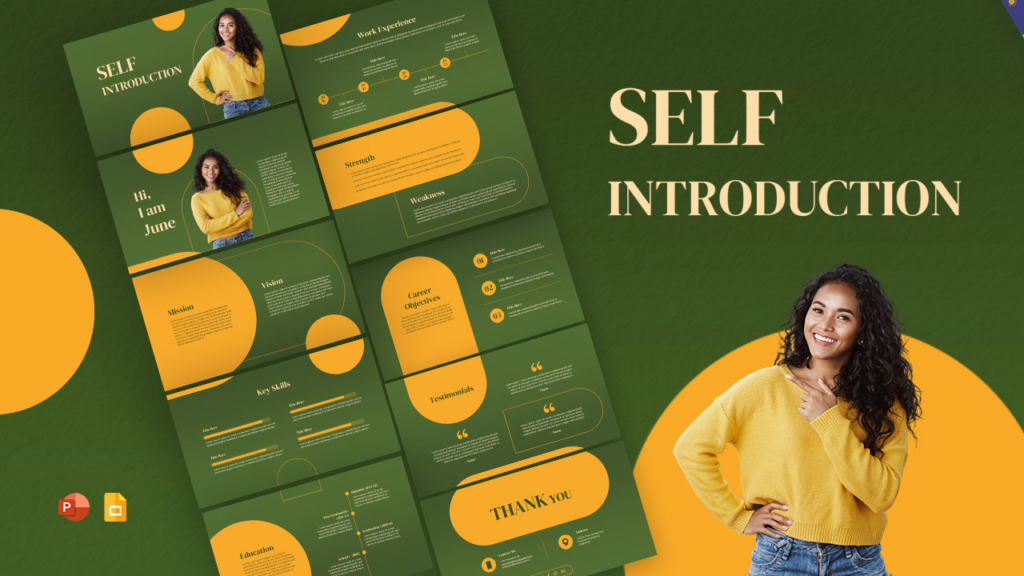
1. HR Interview Questions: Tell Me About Yourself
One of the Most Common HR Interview Questions
This question creates the first impression, so keep your answer professional and concise.
How to Answer
Include:
- Your education
- Work experience
- Key skills
- Recent achievements
- Career goals
Sample Answer
“I’m a Software Developer with three years of experience in React.js and one year of experience in ASP.NET. I enjoy building scalable web applications and continuously improving my technical skills. Recently, I’ve been expanding my knowledge of .NET while working on full-stack development projects. I’m looking for an opportunity where I can contribute to challenging projects while continuing to grow professionally.”
2. HR Interview Questions: Why Do You Want to Work Here?
Recruiters ask this question to understand whether you’ve researched the company.
How to Answer
Mention:
- Company’s reputation
- Learning opportunities
- Career growth
- Company culture
- Your skills matching the role
Sample Answer
“I admire your company’s focus on innovation and employee development. The opportunity to work on challenging projects while learning from experienced professionals aligns perfectly with my long-term career goals.”
3. HR Interview Questions: What Are Your Strengths?
Choose strengths that match the job requirements.
Examples:
- Problem-solving
- Communication
- Leadership
- Adaptability
- Time management
- Quick learning
Sample Answer
“One of my biggest strengths is problem-solving. I enjoy analyzing challenges, identifying practical solutions, and continuously learning new technologies that improve my performance.”
4. HR Interview Questions: What Is Your Biggest Weakness?
Another Frequently Asked HR Interview Question
Avoid saying you have no weaknesses.
Instead, choose a genuine weakness and explain how you’re improving it.
Sample Answer
“Earlier in my career, I found it difficult to delegate tasks because I preferred handling everything myself. Over time, I’ve learned that trusting teammates improves collaboration and project outcomes.”
5. Why Should We Hire You?
This question allows you to summarize your value.
Sample Answer
“I believe my technical skills, willingness to learn, and strong problem-solving abilities make me a valuable candidate. I’m a quick learner, work well with teams, and always focus on delivering quality results.”
HR Interview Questions: Where Do You See Yourself in Five Years?
HR Interview Questions About Career Goals
Recruiters want candidates with realistic ambitions.
Sample Answer
“In five years, I see myself taking on greater responsibilities, improving my technical expertise, leading projects, and contributing to business growth while continuing to learn new technologies.”
7. Why Are You Leaving Your Current Job?
Never criticize your current employer.
Instead, focus on growth.
Sample Answer
“I’m grateful for the experience I’ve gained in my current role. However, I’m looking for opportunities that offer greater challenges, learning opportunities, and career advancement.”
8. Tell Me About a Challenge You Faced at Work
Use the STAR method:
- Situation
- Task
- Action
- Result
Sample Answer
“During a project, we experienced unexpected performance issues before deployment. I analyzed the problem, optimized the application’s API calls, and collaborated with the team to resolve the issue before the deadline, resulting in a successful release.”
9. How Do You Handle Pressure?
Employers value professionals who remain calm under pressure.
Sample Answer
“I prioritize tasks, stay organized, communicate with my team, and focus on finding solutions rather than becoming overwhelmed. This approach helps me maintain productivity even during tight deadlines.”
10. Why Do You Want This Job?
A Must-Prepare HR Interview Question
Connect your career goals with the role.
Sample Answer
“This role aligns with my experience and career aspirations. It provides opportunities to work on meaningful projects, enhance my skills, and contribute to a company known for innovation and professional growth.”
Tips to Answer HR Interview Questions Confidently
To impress recruiters:
- Research the company.
- Read the job description carefully.
- Practice your answers aloud.
- Maintain eye contact.
- Speak clearly and confidently.
- Use real-life examples.
- Be honest and professional.
- Keep your answers concise.
- Show enthusiasm for the role.
- End your answers positively.
Good preparation builds confidence and helps you respond naturally during the interview.
11. What Are Your Salary Expectations?
One of the Most Important HR Interview Questions
This question helps recruiters determine whether your expectations match the company’s budget.
How to Answer
- Research the market salary.
- Give a reasonable salary range.
- Show flexibility.
Sample Answer
“Based on my skills, experience, and market standards, I’m expecting a salary in the range of ₹8–10 LPA. However, I’m open to discussing the complete compensation package and opportunities for growth.”
12. Are You Willing to Relocate?
Recruiters ask this if the role requires working from another city or office.
Sample Answer
“Yes, I’m open to relocation if it supports my career growth and allows me to contribute effectively to the organization.”
If relocation isn’t possible, answer honestly and explain your reasons professionally.
13. How Do You Handle Conflict with Team Members?
HR Interview Questions About Teamwork
Every workplace has disagreements. Recruiters want to know how professionally you handle them.
Sample Answer
“I believe in resolving conflicts through open communication. I first try to understand the other person’s perspective, discuss the issue calmly, and focus on finding a solution that benefits the team.”
14. Describe Your Biggest Professional Achievement
Choose an achievement that demonstrates measurable impact.
Sample Answer
“One of my biggest achievements was optimizing a web application that reduced page loading time by 35%. This improved user experience and reduced customer complaints.”
Use numbers whenever possible because they make your answer more credible.
15. What Motivates You?
Employers want to understand what drives your performance.
Sample Answer
“I enjoy learning new technologies, solving challenging problems, and contributing to projects that create value. Continuous learning and career growth motivate me to perform my best.”
16. Can You Work Under Tight Deadlines?
A Common HR Interview Questions for Every Role
Sample Answer
“Yes. I prioritize tasks, plan my work efficiently, and communicate proactively with my team. Staying organized helps me deliver quality work even when deadlines are tight.”
17. What Makes You Different from Other Candidates?
This is your chance to highlight your unique strengths.
Sample Answer
“Along with my technical skills, I’m a quick learner who adapts easily to new technologies. I enjoy taking ownership of my work, solving problems, and continuously improving my skills, which helps me contribute effectively to any team.”
18. How Do You Prioritize Your Work?
Recruiters value candidates who can manage multiple responsibilities.
Sample Answer
“I begin by identifying urgent and high-impact tasks. I create a daily plan, break larger tasks into smaller steps, and regularly review my progress to ensure deadlines are met without compromising quality.”
19. Do You Have Any Questions for Us?
Never Say “No” During HR Interview Questions
Asking thoughtful questions shows genuine interest in the role.
Some good questions include:
- What does success look like in this role?
- What learning opportunities does the company provide?
- How is employee performance evaluated?
- What are the biggest challenges for this position?
- What does the onboarding process look like?
Avoid asking about salary or leave policies in the first interview unless the recruiter brings them up.
20. Why Should We Not Hire You?
This question tests your honesty and self-awareness.
Sample Answer
“If you’re looking for someone who isn’t willing to learn or adapt, I may not be the right fit. However, I’m committed to continuous improvement, enjoy taking on challenges, and always strive to deliver my best.”
Common HR Interview Questions Mistakes to Avoid
Even well-qualified candidates can lose opportunities because of avoidable mistakes.
Avoid these common errors:
- Arriving late for the interview.
- Not researching the company.
- Giving memorized answers.
- Speaking negatively about previous employers.
- Interrupting the interviewer.
- Providing overly long answers.
- Being dishonest about your experience.
- Showing a lack of confidence.
- Ignoring body language.
- Forgetting to ask questions at the end.
Avoiding these mistakes helps create a strong professional impression.
HR Interview Questions Preparation Checklist
Before attending your interview, make sure you:
✅ Research the company and its products or services.
✅ Understand the job description.
✅ Practice common HR interview questions.
✅ Prepare examples using the STAR method.
✅ Carry multiple copies of your resume.
✅ Dress professionally.
✅ Arrive 10–15 minutes early.
✅ Keep your phone on silent.
✅ Maintain good eye contact and body language.
✅ End the interview by thanking the interviewer.
Bonus Tips to Impress HR Managers
Want to stand out from other candidates? Follow these additional tips:
- Smile and greet the interviewer confidently.
- Listen carefully before answering.
- Keep your answers clear and concise.
- Support your answers with real examples.
- Be enthusiastic about the role.
- Show a willingness to learn.
- Demonstrate confidence without sounding overconfident.
- Highlight measurable achievements whenever possible.
- Maintain a positive attitude throughout the interview.
Small details often make a big difference.
Frequently Asked HR Interview Questions
What are HR interview questions?
HR interview questions are asked to evaluate your communication skills, personality, work ethic, career goals, and whether you’re a good fit for the company’s culture.
How should I prepare for HR interview questions?
Research the company, review the job description, practice common questions, prepare real-life examples, and speak confidently during the interview.
What is the STAR method?
The STAR method stands for Situation, Task, Action, and Result. It helps you answer behavioral interview questions with clear, structured examples.
How long should HR interview answers be?
Most answers should be between 30 and 90 seconds. Be clear, relevant, and avoid unnecessary details.
Is it okay to say “I don’t know” during an interview?
Yes, if you’re honest. Instead of guessing, explain how you would approach finding the answer or solving the problem.
Final Thoughts
Preparing for HR interview questions is one of the best ways to improve your confidence and increase your chances of getting hired. While technical skills help you qualify for a role, your communication, attitude, and professionalism often determine whether you receive the job offer.
Remember that HR interviews are not about giving perfect answers—they’re about demonstrating honesty, confidence, and your ability to work well with others. Practice your responses, use real-life examples, and focus on showing how your skills and experiences can add value to the organization.
Every interview is also a learning opportunity. Even if you don’t get selected, take note of the questions asked, identify areas for improvement, and prepare better for your next opportunity.
By understanding the most common HR interview questions and following the tips in this guide, you’ll be well-prepared to make a strong impression and move one step closer to your dream job.
At Corporate Chugli, we share practical insights on career growth, interview preparation, workplace success, and professional development to help you build a successful career.
Remember: Confidence comes from preparation. The more you practice today, the better you’ll perform in your next interview.