
What Makes Someone a High Performer in the Workplace?(high performer at work)
Every organization has employees who complete their tasks, and then there are employees who consistently create a bigger impact.( high performer at work)
These employees are known as high performers.
A high performer at work is not someone who simply works longer hours or takes on unlimited responsibilities. Instead, they are professionals who deliver quality results, solve problems, take ownership, and continuously improve themselves.
In today’s competitive corporate environment, companies value employees who can create meaningful contributions and adapt to changing workplace expectations.
Many professionals want to know how to become a high performer and achieve faster career growth. The answer lies in developing the right mindset, skills, and habits.
In this article, we will explore the qualities of successful employees, practical career growth tips, and workplace strategies that can help you become a valuable professional.
What Is a High Performer at Work?(high performer at work)
A high performer is someone who consistently delivers excellent results while contributing positively to their team and organization.
High performers usually:
- Take ownership of their responsibilities
- Solve problems proactively
- Learn continuously
- Communicate effectively
- Support their team members
- Focus on improvement
Being a high performer does not mean being perfect. It means consistently improving and creating value.
1. Take Ownership of Your Work(high performer at work)
One of the most important qualities of high performing employees is ownership.
Average employees wait for instructions, while high performers take responsibility for outcomes.
Ownership means:
- Completing tasks without constant supervision
- Accepting responsibility for mistakes
- Finding solutions instead of only highlighting problems
- Thinking about the impact of your work
Managers trust employees who can handle responsibilities independently.
2. Focus on Results, Not Just Tasks(high performer at work)
Many employees focus only on completing assigned tasks.
However, high performers think about the bigger picture.
Instead of asking:
“How can I complete this task?”
They ask:
“How can this work create value?”
Successful professionals understand business goals and align their work with organizational objectives.
3. Continuously Improve Your Skills(high performer at work)
Learning is a major part of professional growth.
Industries change quickly, and employees who stop learning may fall behind.
Develop skills such as:
- Communication
- Problem-solving
- Technical knowledge
- Leadership
- AI and digital skills
- Time management
Continuous improvement is one of the most important career growth tips for long-term success.
4. Develop Strong Communication Skills
Communication separates good employees from great employees.
High performers know how to:
- Explain ideas clearly
- Share updates effectively
- Ask the right questions
- Handle discussions professionally

Good communication improves teamwork and builds trust with managers and colleagues.
5. Manage Your Time Effectively
High performers understand that productivity is not about working more hours.
It is about managing priorities effectively.
Improve time management by:
- Planning your day
- Setting priorities
- Avoiding unnecessary distractions
- Completing important tasks first
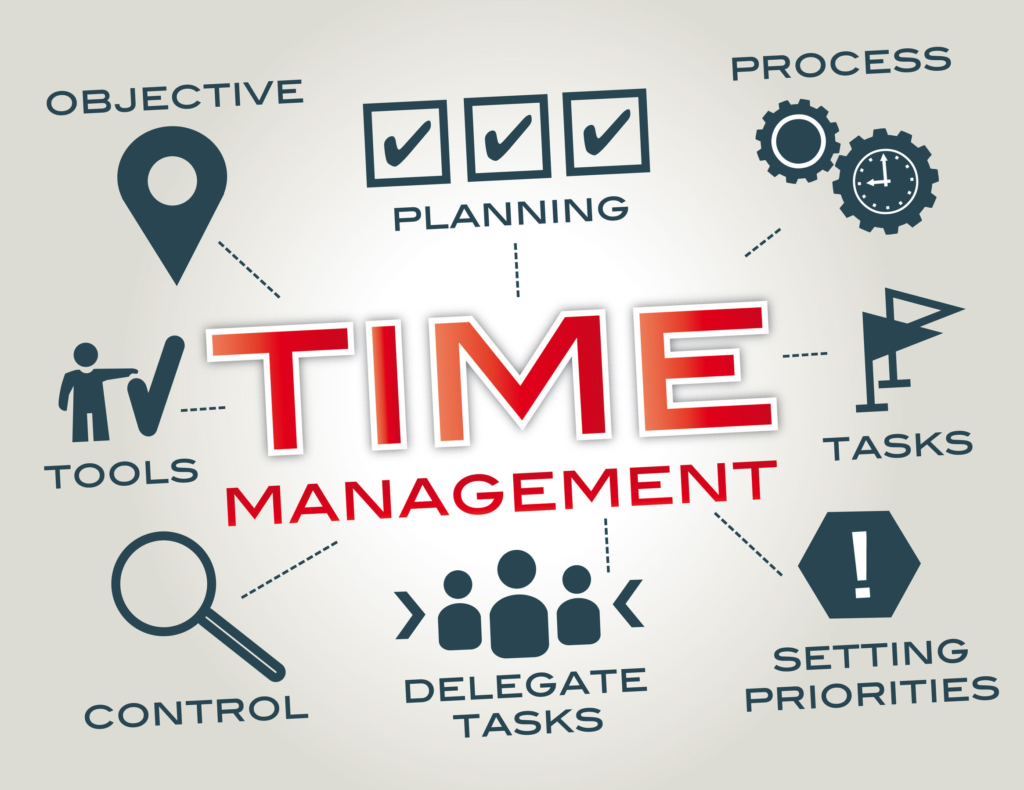
Good time management helps you deliver better results consistently.
6. Be a Problem Solver
Companies value employees who find solutions.
Instead of saying:
“There is a problem.”
High performers say:
“Here is the problem, and these are possible solutions.”
Problem-solving demonstrates maturity and leadership potential.
It is one of the key skills required for professional growth.
7. Accept Feedback and Improve
Feedback is an important tool for improvement.
High-performing employees do not take feedback negatively. They use it to improve their performance.
They:
- Listen carefully
- Identify improvement areas
- Apply suggestions
- Continue learning
Employees who improve quickly often progress faster in their careers.
8. Build Positive Workplace Relationships
Career success is not only about individual performance.
Strong relationships with colleagues and managers can create better opportunities.
Build professional relationships by:
- Helping teammates
- Respecting others
- Sharing knowledge
- Communicating professionally
A positive workplace reputation can support your professional growth.
9. Show Leadership Before Getting a Leadership Role
Leadership does not start after becoming a manager.
High performers demonstrate leadership by:
- Taking initiative
- Helping others
- Making responsible decisions
- Supporting team goals
Employees who show leadership qualities often become future leaders.

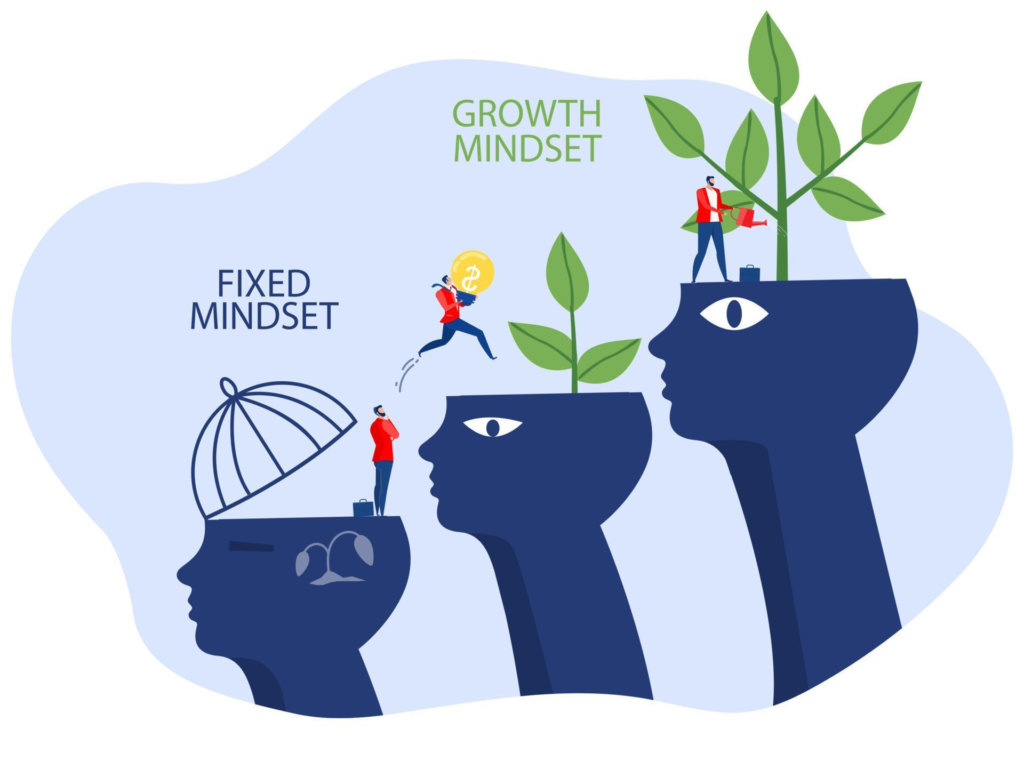
10. Maintain a Growth Mindset
A growth mindset means believing that your skills can improve through learning and effort.
High performers:
- Accept challenges
- Learn from failures
- Adapt to changes
- Stay curious
This mindset helps professionals achieve continuous improvement.
Qualities of High Performing Employees
Successful employees usually have these qualities:
1. Accountability
They take responsibility for their work.
2. Adaptability
They adjust quickly to changes.
3. Reliability
Others can trust them to complete important work.
4. Positive Attitude
They focus on solutions instead of problems.
5. Continuous Learning
They constantly improve their skills.
These qualities help employees stand out in any organization.
Common Mistakes That Stop Employees From Becoming High Performers(high performer at work)
Avoid these mistakes:
1. Doing Only Minimum Required Work
Growth requires going beyond basic expectations.
2. Avoiding Responsibility
Taking ownership creates opportunities.
3. Ignoring Feedback
Feedback helps you improve.
4. Not Learning New Skills
Professional growth requires continuous development.
5. Poor Communication
Even great work can be overlooked without proper communication.
Workplace Success Tips to Grow Faster(high performer at work)
Follow these simple habits:
- Be dependable
- Communicate clearly
- Learn continuously
- Take initiative
- Help your team
- Understand business goals
- Improve every day
Small improvements create long-term career success.
How Becoming a High Performer Helps Your Career(high performer at work)
Being a high performer can lead to:
- Better career opportunities
- Faster promotions
- Higher responsibilities
- Increased recognition
- Strong professional reputation
Companies always need employees who create value and contribute to growth.
Final Thoughts(high performer at work)
Becoming a high performer at work is not about working harder than everyone else. It is about working smarter, creating value, improving your skills, and developing the right professional habits.
Understanding how to become a high performer requires patience, consistency, and continuous learning.
The employees who succeed are those who take ownership, adapt to change, and focus on long-term professional growth.
Remember:
Success in corporate life is not only about what you do; it is about the value you create.
At Corporate Chugli, we share insights about corporate life, career growth, workplace culture, and professional success.
Because every career journey has a story.